After last fall signaling its intentions to expand into cloud gaming, Netflix today launched a new app that will soon allow subscribers to play games on their TV. The app, dubbed “Netflix Game Controller,” lets you use your phone as a controller after pairing it with your TV in order to play the games available through Netflix’s service.
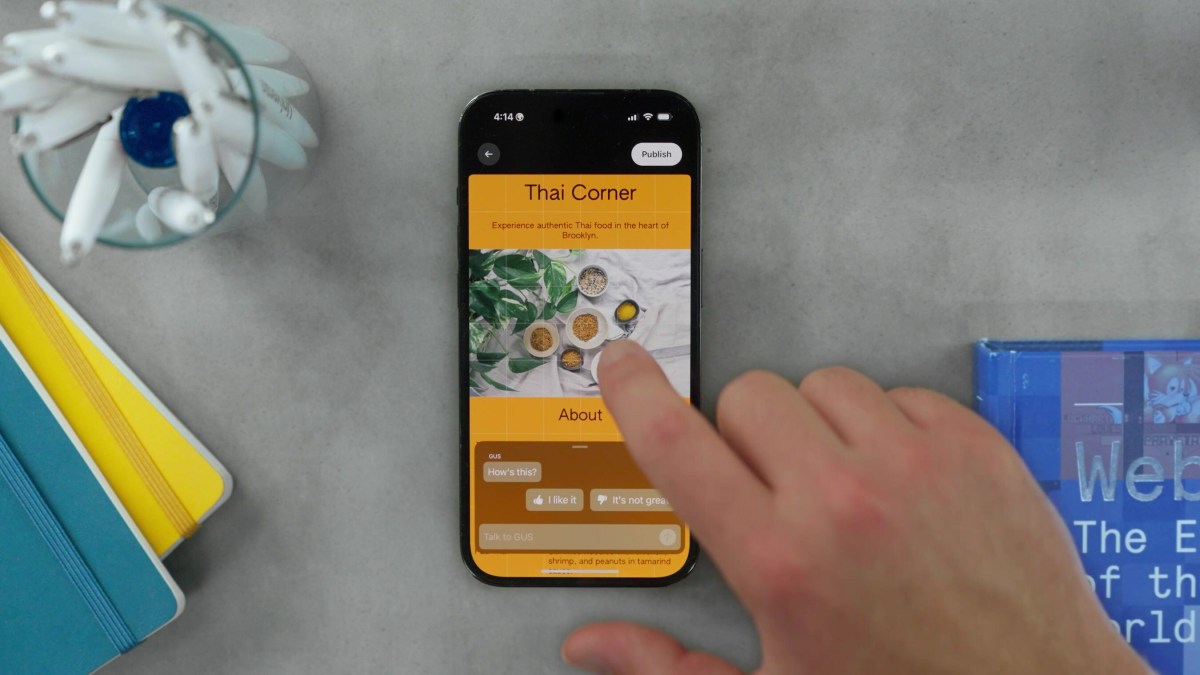
Universe’s new tool is similar to one launched by Wix earlier this month, which is called the AI Site Generator. The tool allows users to describe their intent and generate a website complete with a homepage, inner pages and text and images — as well as business-specific sections for events, bookings and more. One of the main ideas behind both companies’ products is to help small and medium-sized businesses launch and maintain websites to drive sales, which can be a challenging process. For context, a 2022 survey by Top Design Firms, a directory for finding creative agencies, found that nearly 27% of small businesses still don’t have a website and that low traffic, followed by adding “advanced” functionalities and cost, are the top challenges they face with their website.
Research by ESET found that the Android app, “iRecorder — Screen Recorder,” introduced the malicious code as an app update almost a year after it was first listed on Google Play. The code, according to ESET, allowed the app to stealthily upload a minute of ambient audio from the device’s microphone every 15 minutes, as well as exfiltrate documents, web pages and media files from the user’s phone.
With Rovio under its wing, Sega says it plans to “accelerate the development” of its own existing games, as well as “generate synergies” between Sega and Rovio’s brands. Specifically, it seems that Rovio’s experience in so-called “live service” mobile gaming is what appealed to Sega, which refers games designed to be played more or less indefinitely through regular content updates to keep players interested. Moreover, Sega said that Rovio’s expertise can help it expand Sega’s current and new games in more markets, particularly in Europe and North America.
Facebook head Tom Alison announced today that the company is testing the ability for users to access their Messenger inbox within the Facebook app. Back in 2016, Facebook removed messaging capabilities from its mobile web application to push people to the Messenger app, in a move that angered many users.
Yammer was initially created out of San Francisco back in 2008, with co-founder David Sacks formally launching the startup at a TechCrunch startup event. The company went on to raise north of $140 million in funding before Microsoft swooped in with its billion-dollar bid four years after its launch.
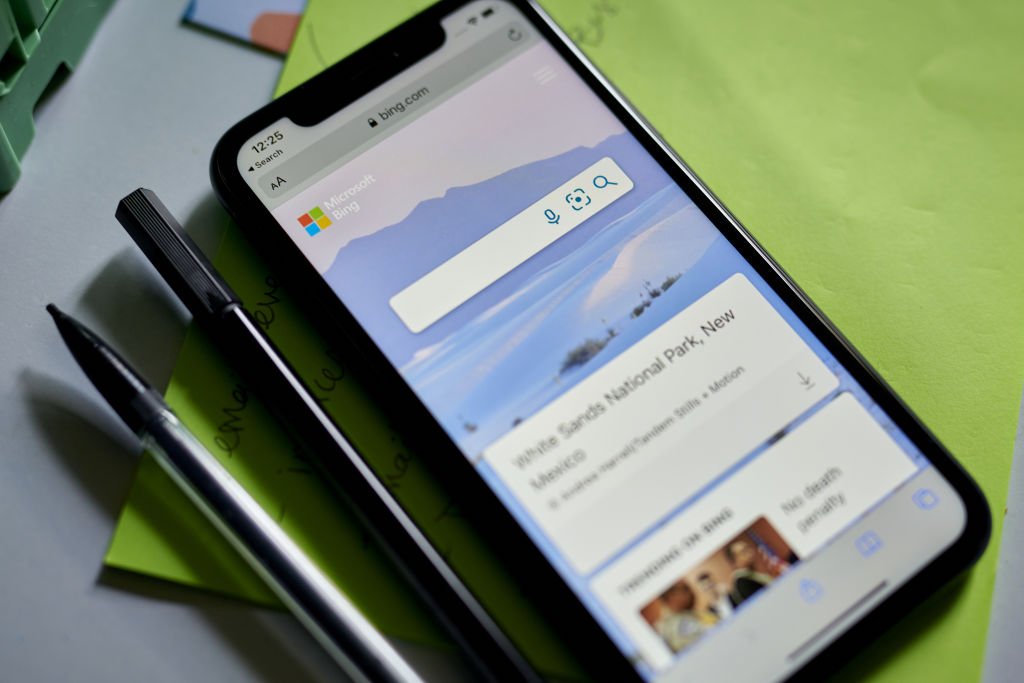
This week’s news about Microsoft’s plan to add ChatGPT-like capabilities to its search engine Bing has sent its companion mobile app into the App Store’s Top Charts as of Wednesday. On the U.S. App Store, the Bing app has surged to the No. 12 spot among all free iPhone apps, while Microsoft’s Edge browser is now the No. 3 Utility app. Globally, the Bing app has seen a 10x increase in new downloads, according to preliminary estimates from app intelligence firm data.ai.