The House on Wednesday approved a bill that requires ByteDance to divest TikTok within roughly six months in order for the app “to remain available in the United States.” However, China would likely block a sale of TikTok U.S., analysts told CNBC.
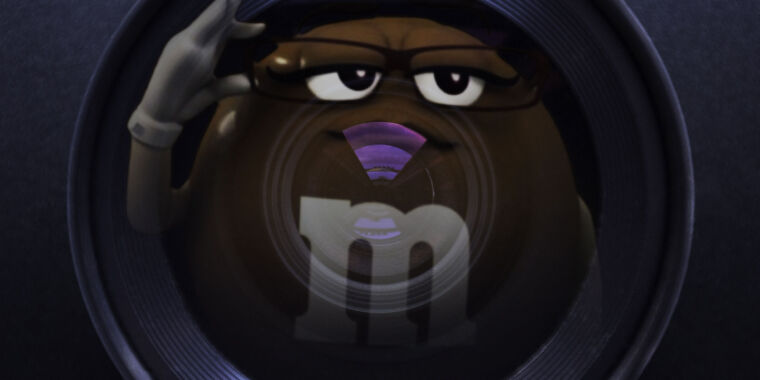
Canada-based University of Waterloo is racing to remove M&M-branded smart vending machines from campus after outraged students discovered the machines were covertly collecting facial-recognition data without their consent. The scandal started when a student using the alias SquidKid47 posted an image on Reddit showing a campus vending machine error message, "Invenda.Vending.FacialRecognitionApp.exe," displayed after the machine failed to launch a facial recognition application that nobody expected to be part of the process of using a vending machine.
“Addressing the complex security and privacy concerns associated with web apps using alternative browser engines would require building an entirely new integration architecture that does not currently exist in iOS and was not practical to undertake given the other demands of the DMA and the very low user adoption of Home Screen web apps. And so, to comply with the DMA’s requirements, we had to remove the Home Screen web apps feature in the EU,” the website reads.
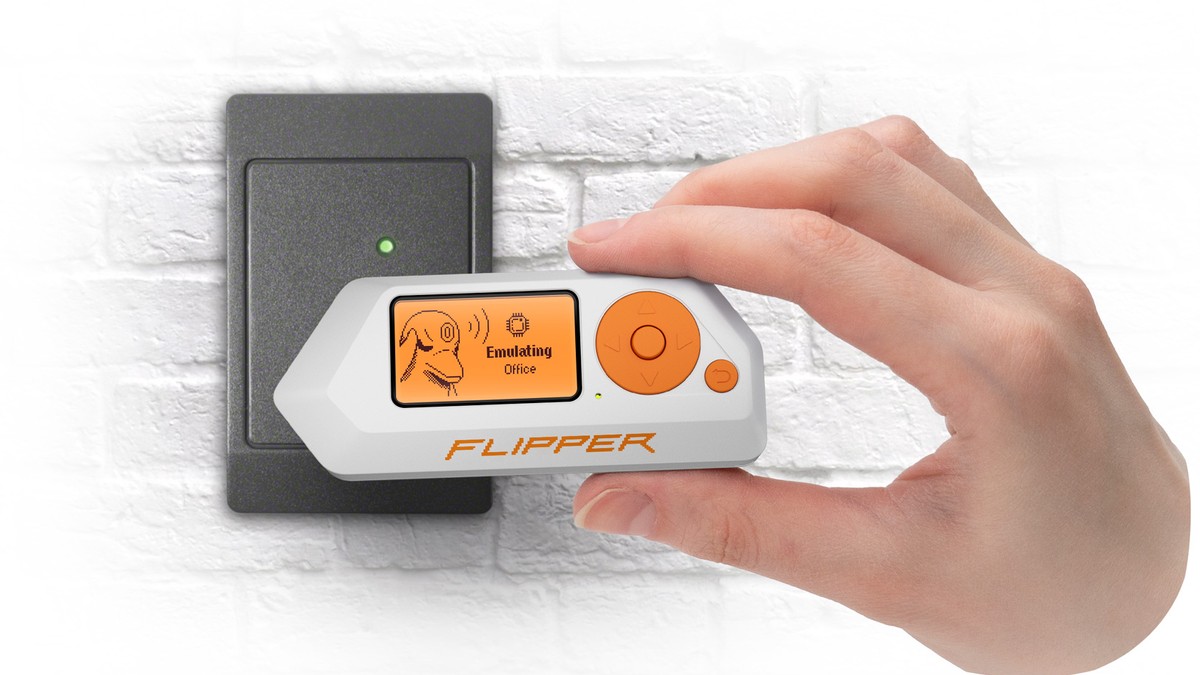
"We shouldn't be blaming manufacturers of radio transmitters for security lapses in the wireless unlock mechanisms of cars," Bill Budington, Senior Staff Technologist at the Electronic Frontier Foundation, said in a statement to Motherboard. "Flipper Zero devices, because of their ease of use, are convenient scapegoats to blame for gaping security holes in fob implementations by car manufacturers. Banning Flipper Zero devices is tantamount to banning a multi-tool because it can be used for vandalism, or banning markers because they can be used for graffiti. Moreover, tools like the Flipper Zero are used by security researchers involved in researching and hardening the security of systems like car fobs—banning them will result in tangible harms."
Canada’s Minister Innovation, Science and Industry François-Philippe Champagne announced the ban on Thursday, explaining that “criminals have been using sophisticated tools to steal cars. And Canadians are rightfully worried.” “Today, I announced we are banning the importation, sale and use of consumer hacking devices, like flippers, used to commit these crimes,” he tweeted.
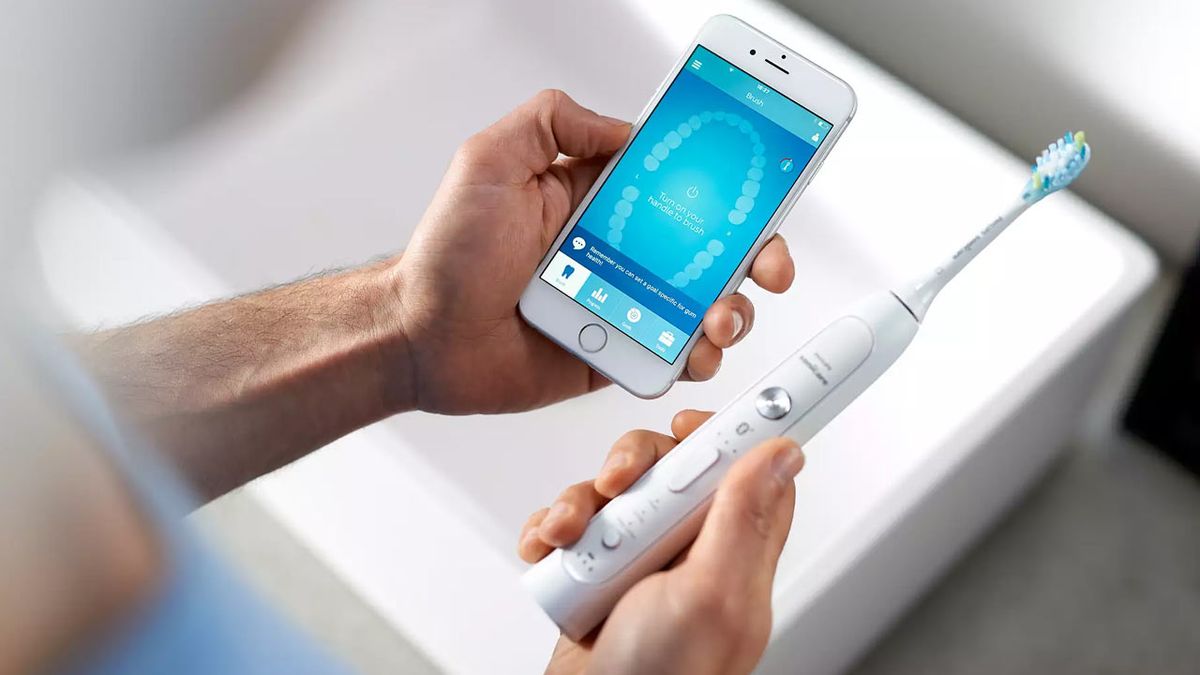
Alas, fiction is sometimes stranger than truth. There weren't really 3 million Internet-connected toothbrushes accessing the website of a Swiss company in a DDoS attack that did millions of dollars of damage. The toothbrush botnet was just a hypothetical example that some journalists wrongly interpreted as having actually happened.
In this particular case, the toothbrush botnet was thought to have been vulnerable due to its Java-based OS. No particular toothbrush brand was mentioned in the source report. Normally, the toothbrushes would have used their connectivity for tracking and improving user oral hygiene habits, but after a malware infection, these toothbrushes were press-ganged into a botnet.