A close-up image of a silicon mono-crystal. Silicon is a crucial component in AI. Image: Catherine Breslin / Better Images of AI / Silicon Closeup / CC-BY 4.0
Capability overhang is a technical term, but it also perfectly describes what’s happening right now as AI enters the public domain. For years, researchers have been on a tear, pumping out new models faster than they can be commercialized. But in 2022, a glut of new apps and programs have suddenly made these skills available to a general audience, and in 2023, as we continue scaling this new territory, things will start changing — fast.
The problem is, the Quest Pro isn’t very good. It’s a device seemingly launched without plan or purpose, highlighting VR’s persistent drawbacks without making good use of its strengths — and topped off with some irredeemably bad software. We might be seeing a roadmap for where Meta is going, but right now, it’s not a particularly fun place to be. And if Meta lingers there much longer, its metaverse is in trouble.
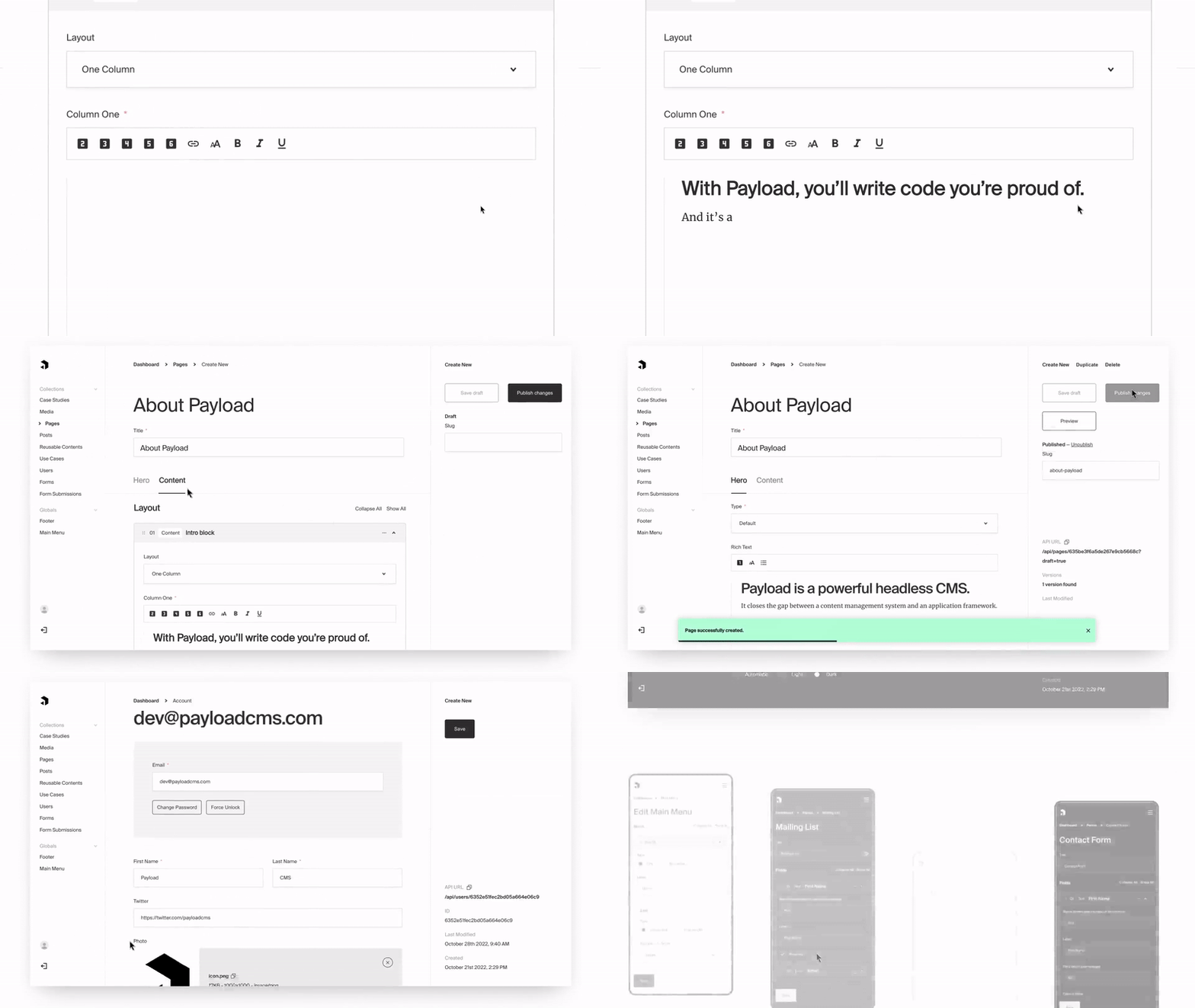
Instead of building another no-code CMS, the team went in the exact opposite direction and built something more akin to a framework than “just” a pure headless CMS. To get started, developers describe their configuration for Payload in TypeScript and the service creates a Mongo database, sets up REST and GraphQL APIs, handles file storage, authentication and access control, and, of course, creates the admin UI, which defaults to a clean, minimalist look.
“I see people on both sides of this extremely confident in their positions, but the reality is nobody knows,” Baio, who’s been following the generative AI scene closely, told The Verge. “And anyone who says they know confidently how this will play out in court is wrong.”
Both Binance and Crypto.com hosted live question-and-answer sessions on Monday morning in an attempt to reassure investors that the cryptocurrency exchanges won’t meet the same fate as FTX, which suffered a sudden and catastrophic collapse last week.
Canva’s text-to-image tool is the latest example of the technology hitting mainstream apps. Image: Canva
The feature is only the latest example of text-to-image AI tools reaching ever larger audiences. The launch of Stable Diffusion in particular has accelerated access to these systems, as its open-source implementation allows companies to integrate it into their own products for free. Text-to-image is quickly becoming a staple in creative platforms, and just last month, Microsoft launched its own text-to-image tool, Microsoft Designer, (powered by OpenAI’s DALL-E system) as part of its Office suite.
“Wordle will now have its own dedicated editor to help make the hit guessing game word puzzles, The New York Times announced on Monday. Tracy Bennett will be the editor, and the game will have a word list curated by the NYT and “be programmed and tested” like its crosswords and the Spelling Bee game.”