There’s a similar problem in artificial intelligence: The people who develop AI are increasingly having problems explaining how it works and determining why it has the outputs it has. Deep neural networks (DNN)—made up of layers and layers of processing systems trained on human-created data to mimic the neural networks of our brains—often seem to mirror not just human intelligence but also human inexplicability.
Pantone is putting 15,000 colors behind a paywall for users on some of the most popular Adobe products starting next month—leaving designers who want to use, or have ever used in the past, no choice but to pay up if they want to use them.
Now it’s a new era for Twitter—a platform where Musk is a heavy user and where his shitposts have gotten him into serious trouble numerous times. Now that he owns it, users are threatening to leave the platform in droves (although, as we’ve seen with Facebook over the years, mass exodus may only really happen if the service deteriorates), and Musk has already made major shakeups in its leadership.
Internal documents seen by Reuters show that Twitter is struggling to keep “heavy users” who account for less than 10 percent of monthly overall users but generate 90 percent of all tweets and half of global revenue, the outlet reported on Tuesday.
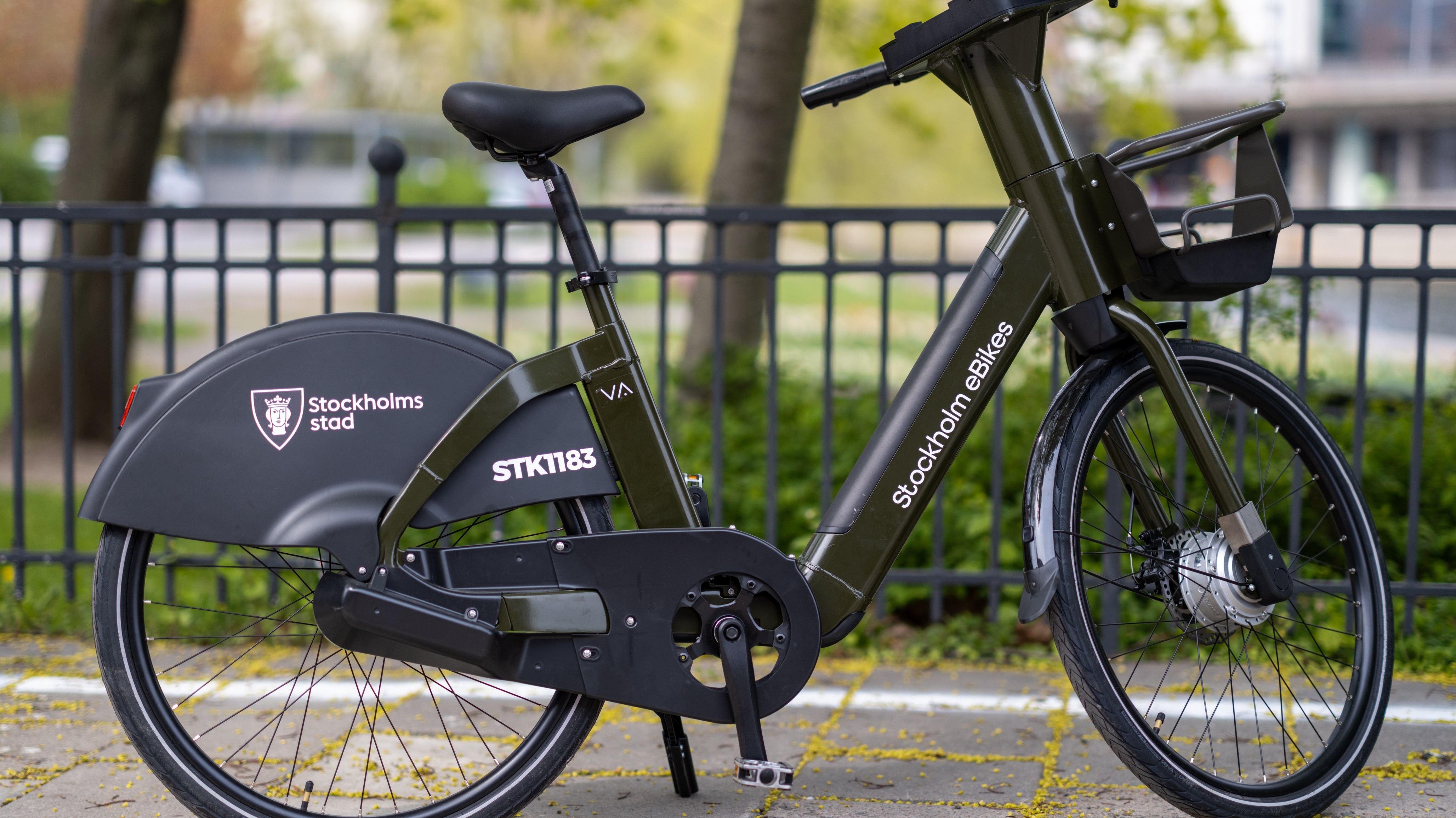
“I would say the general public is quite tired of the e-scooters lying around,” said Daniel Mohlin, Nordics Regional Manager for Inurba Mobility, the company that won the seven-year contract for the new bikeshare program. “The most common comment has been, finally, there’s something to replace the e-scooters.”
“innovate_rye isn’t alone. Since OpenAI unveiled the latest application programming interface (API) for its widely-used language model, GPT-3, more students have begun feeding written prompts into OpenAI’s Playground and similar programs that use deep learning to generate text. The results continue the initial prompt in a natural-sounding way, and often can’t be distinguished from human-written text.”