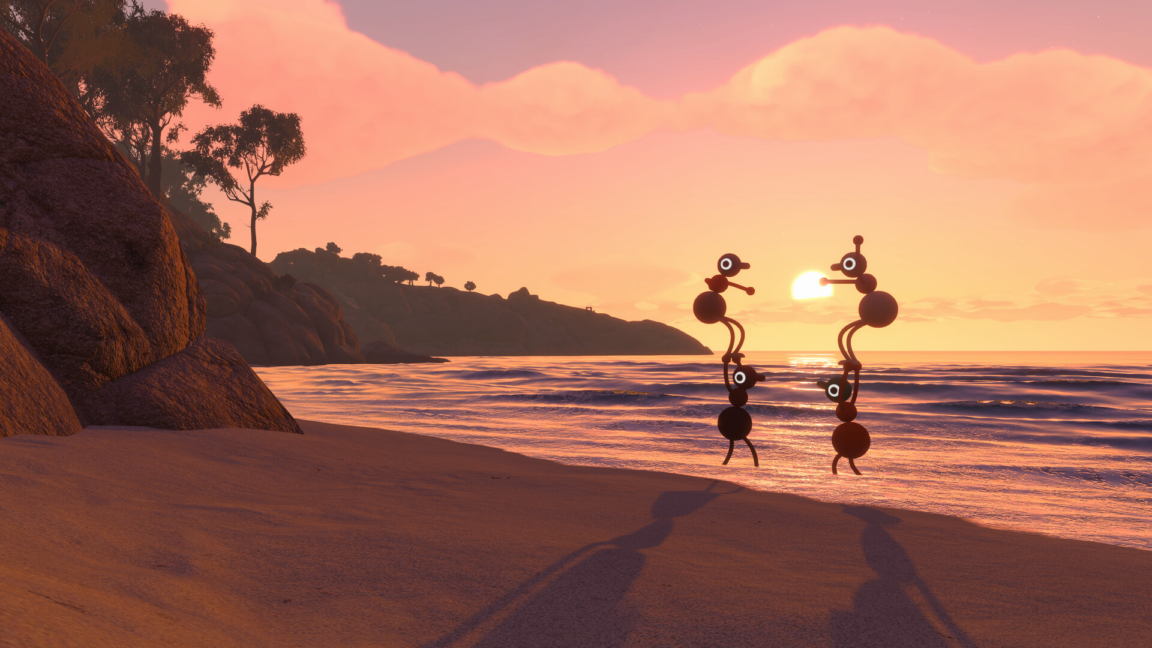
Big Walk used AI to fix a bug. Now the indie gaming world is having a reckoning.

image via Ars Technica

The last few years have seen significant debate over the widespread use of AI-powered tools in game development and the responsible disclosure of that usage to players. That debate has exploded into a full-blown controversy in the indie game development space this week, as Big Walk developer House House has publicly and belatedly disclosed minimal AI use in its popular co-operative puzzle exploration game.

https://arstechnica.com/gaming/2026/11/big-walk-used-ai-to-fix-a-bug-now-the-indie-gaming-world-is-having-a-reckoning/

AI game clones are making indie developers afraid to show their work

image c/o arstechnica.com

Since its earliest days, the video game industry has been built on developers creating clones of competing games, with varying levels of originality and varying levels of enforcement from game platforms. Now, though, AI coding tools are making that cloning process so efficient that many developers are getting extremely cautious about sharing their early work too widely.

https://arstechnica.com/gaming/2026/10/ai-game-clones-are-making-indie-developers-afraid-to-show-their-work/

Explosive new game aims to teach the iPad generation to type

image via creativebloq.com

Handwriting is becoming a lost skill for many Gen Xers like me (as a former news hack. I can scrawl a shopping list in shorthand). But for Younger generations, even typing is in decline, with studies having shown a decline in touch-typing proficiency due to the shift towards touchscreen devices, voice-controlled interfaces and AI. One indie dev was concerned enough to start making a game to help his kids learn to type. It quickly took on a life of its own (and may have created a genre of its own too).

https://www.creativebloq.com/3d/video-game-design/explosive-new-game-aims-to-teach-the-ipad-generation-to-type