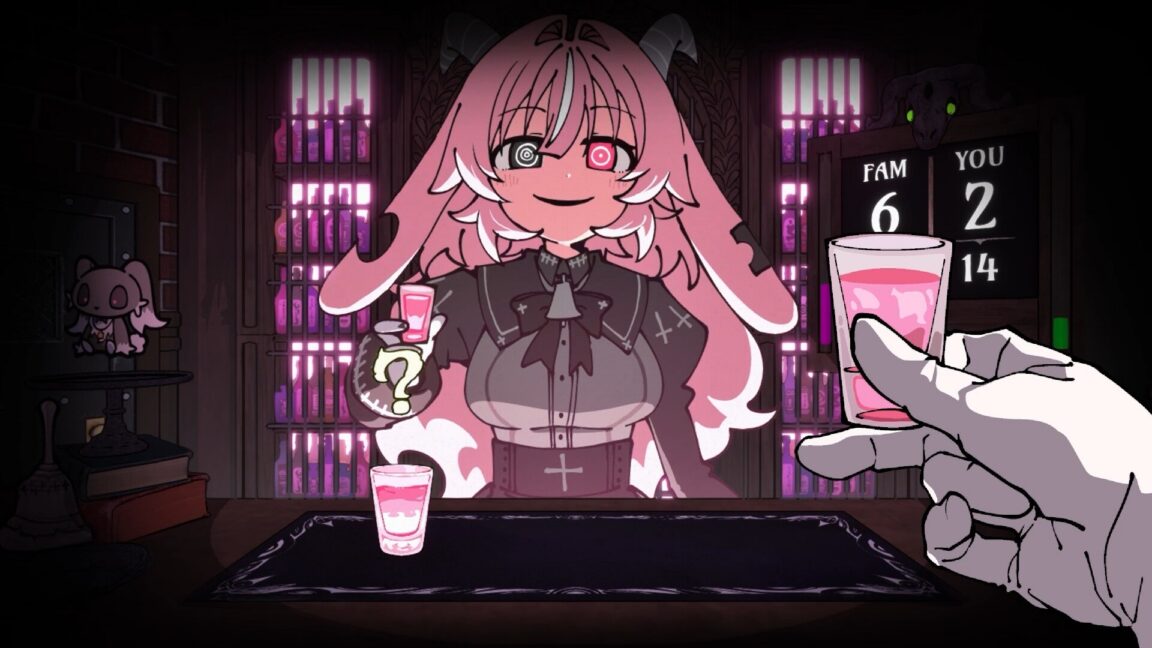
AI game clones are making indie developers afraid to show their work

image c/o arstechnica.com

Since its earliest days, the video game industry has been built on developers creating clones of competing games, with varying levels of originality and varying levels of enforcement from game platforms. Now, though, AI coding tools are making that cloning process so efficient that many developers are getting extremely cautious about sharing their early work too widely.

https://arstechnica.com/gaming/2026/10/ai-game-clones-are-making-indie-developers-afraid-to-show-their-work/

Napster Is Back, and It Wants to Digitally Clone Teachers

image via WIRED
image via WIRED

“The name has always been about giving power to the users,” says Huber. “Twenty-five years ago, it was about music and how music should be owned by people, not the gatekeepers. And now this is the same fight, the same ethos, but it’s about data and intelligence.” Napster will provide dedicated design, development, and product management resources based on Napster Learn, its AI-powered learning system. Digital twins of teachers, for example, will provide around-the-clock support.

https://www.wired.com/story/napster-is-back-and-it-wants-to-digitally-clone-teachers

You can soon attend Zoom meetings as your AI avatar

image via theverge.com

Zoom’s vision of filling meetings with AI clones has nearly arrived. On Wednesday, the video conferencing app announced that you’ll soon be able to create a “photorealistic” avatar of yourself in case you aren’t “camera-ready.” That means your AI avatar can appear polished if you’ve just crawled out of bed.

https://www.theverge.com/news/779154/zoom-ai-photorealistic-avatars-live-translation