We’ve made a tough decision and wanted you to be the first to hear that Adobe Aero will be shutting down permanently on November 6th, 2025. This was an incredibly difficult decision that we didn't make lightly.
Meta laid off employees on Thursday in its Reality Labs division, which encompasses various virtual and augmented reality projects. The cuts impact employees within Oculus Studios, which develops apps and games for Meta’s Quest headsets. Reality Labs has been a massive cost for Meta, losing almost $5 billion in the last quarter of 2024 while generating about $1 billion in sales. Meta has reported billions of dollars in operating losses on Reality Labs each year since rebranding from Facebook and emphasizing its commitment to the “metaverse.”
VR headsets are out, and AR glasses are in. Research from analysis firm Counterpoint shows that the global VR shipments trended down through 2024 despite proliferation cheap headsets like the Meta Quest 3s. Worse, VR sales numbers may not improve any time soon. The next step for these companies are glasses—with or without augmented reality capabilities. Big tech now needs to convince consumers thin glasses filled to the brim with AI are better than shoving a heavy piece of plastic on their noggins.
The headset, which Samsung is developing in partnership with Google, runs Android XR, an OS designed specifically for headsets and smart glasses. My colleague Victoria Song got to try Project Moohan late last year, so if you want to know what it’s like to actually wear and use. Samsung plans to launch Project Moohan for developers first, but it won’t be available right away for consumers.
According to The Information, Meta had already started developing the La Jolla headset in November but told employees to stop working on the device this past week. The decision was due in part to the fact that the La Jolla headset would’ve used pricey MicroOLED displays. The move suggests that Meta as a whole may be souring on the idea of premium VR. Purportedly, the goal was to keep the cost of the headset under $1,000, which was looking increasingly difficult given how expensive MicroOLED can be to produce.
Meta has released a new app for the Quest 3, 2, and Pro, letting you use the headsets as a screen for consoles, laptops, or any device with video out capabilities. Using the free Meta Quest HDMI Link app does require additional hardware, but it’s still a relatively cheap way to repurpose the headset, instead of buying single-purpose video glasses that can cost just as much.
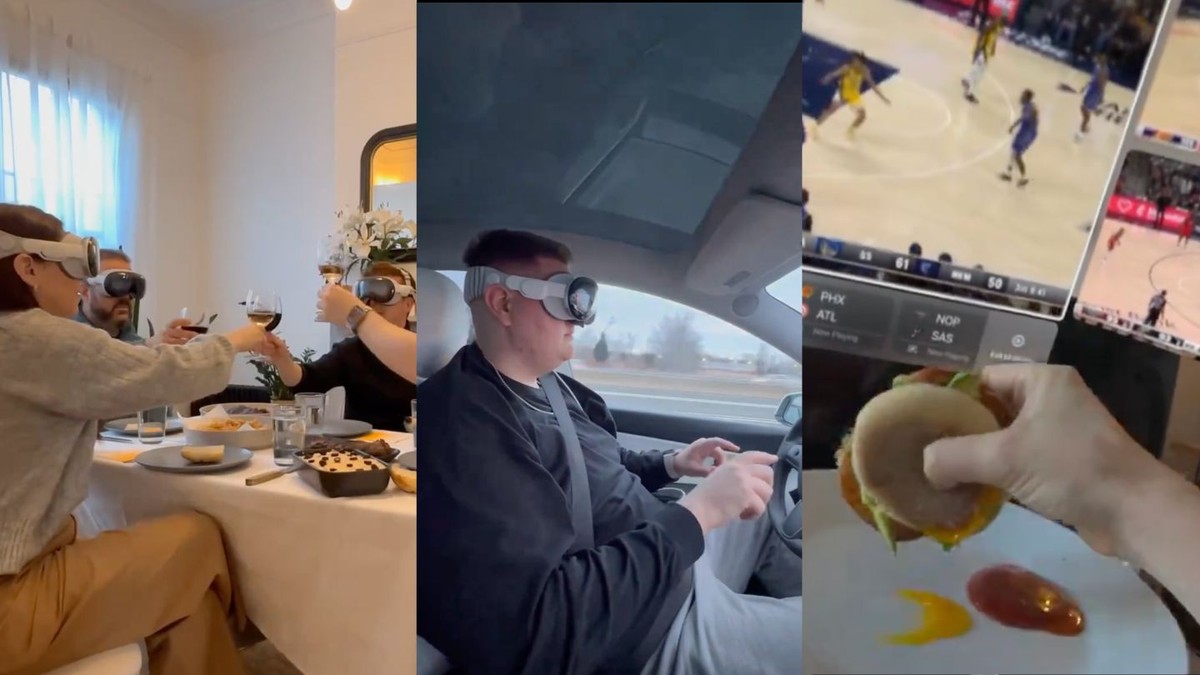
The Vision Pro, Apple’s new VR and mixed-reality headset, generated a wealth of dystopian images as influencers took the premium device out for a spin in the real world after its launch on Friday. Here are just a few examples: YouTubers Isaac Mosna and Patrick Tomasso went out for dinner while both wearing the $3,499 goggles; X user Dante wore the headset while in a self-driving Tesla, tapping at the air until the clip cuts to show him parked with police lights flashing in his rear window; a man wore his Vision Pro on the subway to work, which, again, to others looks like gesturing at nothing in the ether; Casey Neistat unsteadily climbed a set of stairs while responding to texts wearing the headset; and YouTuber Victor Abarca even held a dinner party where the guests clinked glasses while looking at each other through pass-through video feeds. In one clip, X user Alex Finn sits in his living room, surrounded by seven virtual screens showing sports and social media, before reaching for a sandwich (another clip, where he’s surrounded by TikTok videos, is even more disorienting).