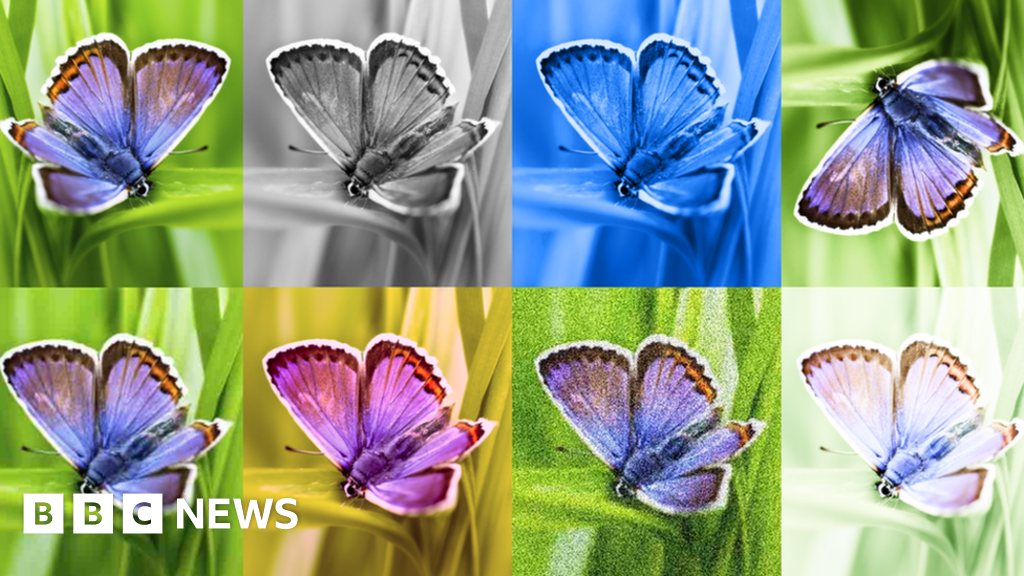
Google is trialling a digital watermark to spot images made by artificial intelligence (AI) in a bid to fight disinformation. It works by embedding changes to individual pixels in images so watermarks are invisible to the human eye, but detectable by computers.
Snapchat is now jumping on the AI selfie bandwagon with a new feature called Dreams. The first pack of Dreams is free to make and each additional one costs $1 as an in-app purchase. Snapchat users in Australia and New Zealand are getting access to Dreams starting today, followed by access opening up to the rest of the world over the coming weeks.
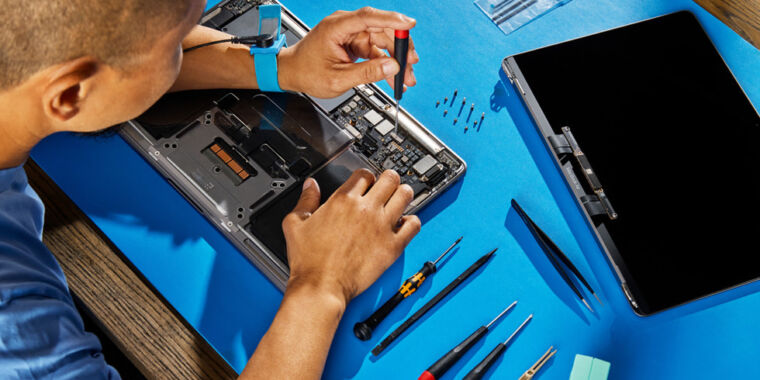
In a letter dated August 22, Apple showed its support for California's right-to-repair bill, SB 244, after spending years combatting DIY repair efforts. The bill requires vendors of consumer electronics and appliances to make sufficient documentation, parts, and tools for repairs available to customers and independent repair shops. The big exceptions are video game consoles and alarm systems.
Apple broke the internet, or at least some people’s muscle memory, when it moved the search bar on Safari in iOS 15. Fast-forward a couple years, and now Chrome is adopting the same design change. For Chrome, Google is including the setting to choose between a top or bottom address bar. A touch and hold gesture will also fling the address bar from the top or bottom.
Meta is releasing a web version of Threads, as it attempts to revive the social media platform. The rival to X, formerly known as Twitter, enjoyed meteoric growth when it launched in July. However, users then abandoned it just as rapidly, partly due to its limited functionality. Meta says the web version is part of a drive to deliver new features but experts warn more needs to be done to rebuild customer interest.
United States District Court Judge Beryl A. Howell ruled on Friday that AI-generated artwork can’t be copyrighted, as noted by The Hollywood Reporter. She was presiding over a lawsuit against the US Copyright Office after it refused a copyright to Stephen Thaler for an AI-generated image made with the Creativity Machine algorithm he’d created. Nobody really knows how things will shake out around US copyright law and artificial intelligence, but the court cases have been piling up. Sarah Silverman and two other authors filed suit against OpenAI and Meta earlier this year over their models’ data scraping practices, for instance, while another lawsuit by programmer and lawyer Matthew Butterick alleges that data scraping by Microsoft, GitHub, and OpenAI amounted to software piracy.
Regular users of Lyft need to prepare themselves for a barrage of ads hitting the ride-hailing service's app this week. It's hard to believe someone would look at the Lyft app enough to make ads a viable money-making exercise. However, according to the company's chief business officer, Zach Greenberger, Lyft users check the app an average of nine times per ride. Combine that with detailed (anonymized) user data, and the potential for targeted advertising to generate additional revenue is there.
/cdn.vox-cdn.com/uploads/chorus_asset/file/24880917/Untitled_1.jpg)

/cdn.vox-cdn.com/uploads/chorus_asset/file/13292779/acastro_181017_1777_brain_ai_0002.jpg)
