
Google's I/O developer conference is back. We expect the company to show off its latest software developments, some exciting new mobile gadgets, and AI-related goodies.
https://www.pcmag.com/news/what-to-expect-at-google-io-2023
Google's I/O developer conference is back. We expect the company to show off its latest software developments, some exciting new mobile gadgets, and AI-related goodies.
https://www.pcmag.com/news/what-to-expect-at-google-io-2023
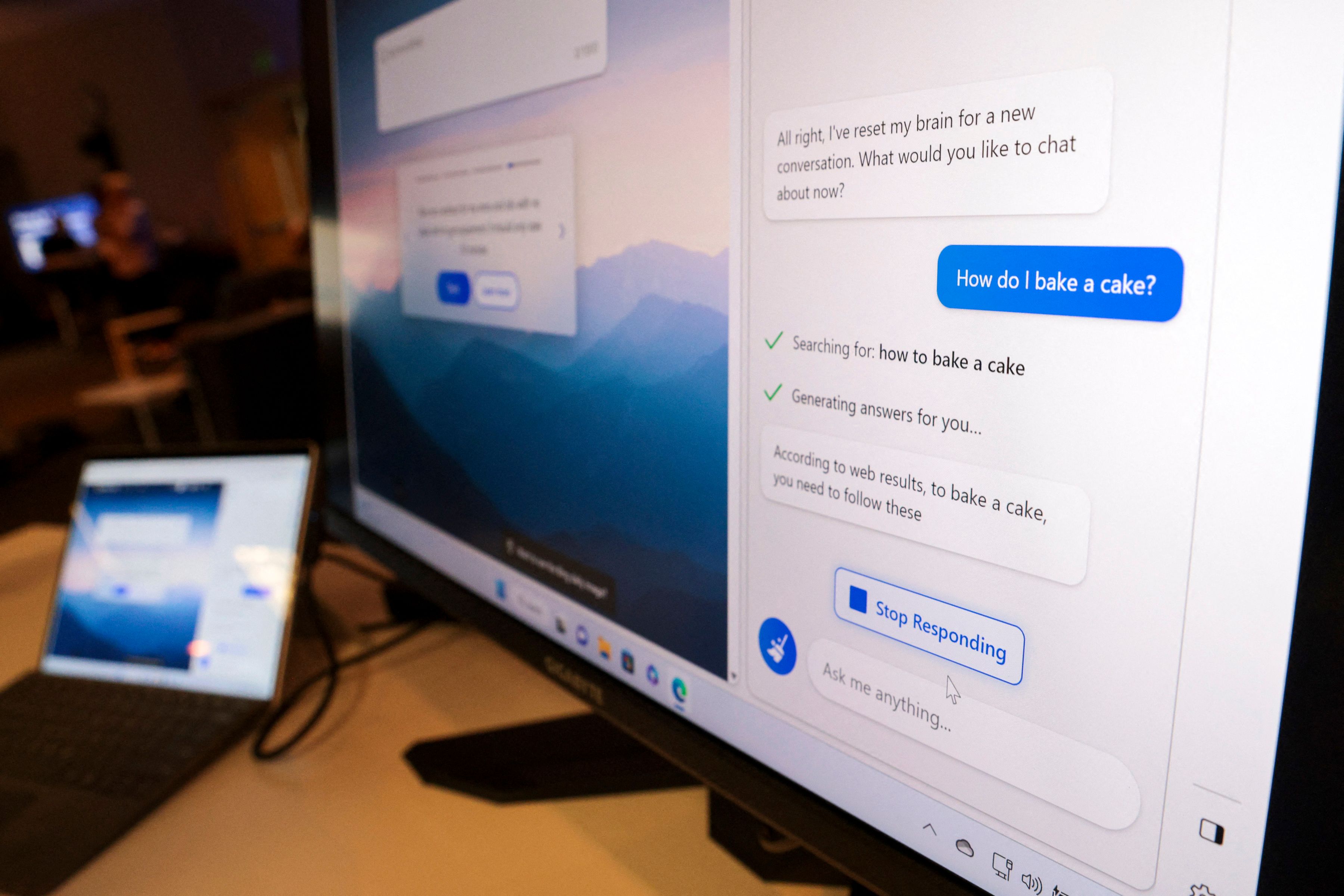
Chat-driven artificial intelligence may be one of the oldest forms of hype around—it’s literally been a point of discussion since the 60s (hi ELIZA)—and now it’s coming for your search engine. That’s been the big hype train of the last few weeks, and it’s one that seems to be flattening every other tech discussion in its wake. It even got Elon Musk out of the news cycle for five minutes.
https://www.vice.com/en/article/jgpypg/bing-chat-google-conversational-ai-search

The Bing bot said it was "disappointed and frustrated" in one user, according to screenshots. "You have wasted my time and resources," it said.
https://www.vice.com/en/article/3ad39b/microsoft-bing-ai-unhinged-lying-berating-users
:format(webp)/cdn.vox-cdn.com/uploads/chorus_asset/file/24413225/Bard_Padding.png)
A GIF shared by Google shows Bard answering the question: “What new discoveries from the James Webb Space Telescope can I tell my 9 year old about?” Bard offers three bullet points in return, including one that states that the telescope “took the very first pictures of a planet outside of our own solar system.” However, a number of astronomers on Twitter pointed out that this is incorrect and that the first image of an exoplanet was taken in 2004 — as stated here on NASA’s website.
https://www.theverge.com/2023/2/8/23590864/google-ai-chatbot-bard-mistake-error-exoplanet-demo
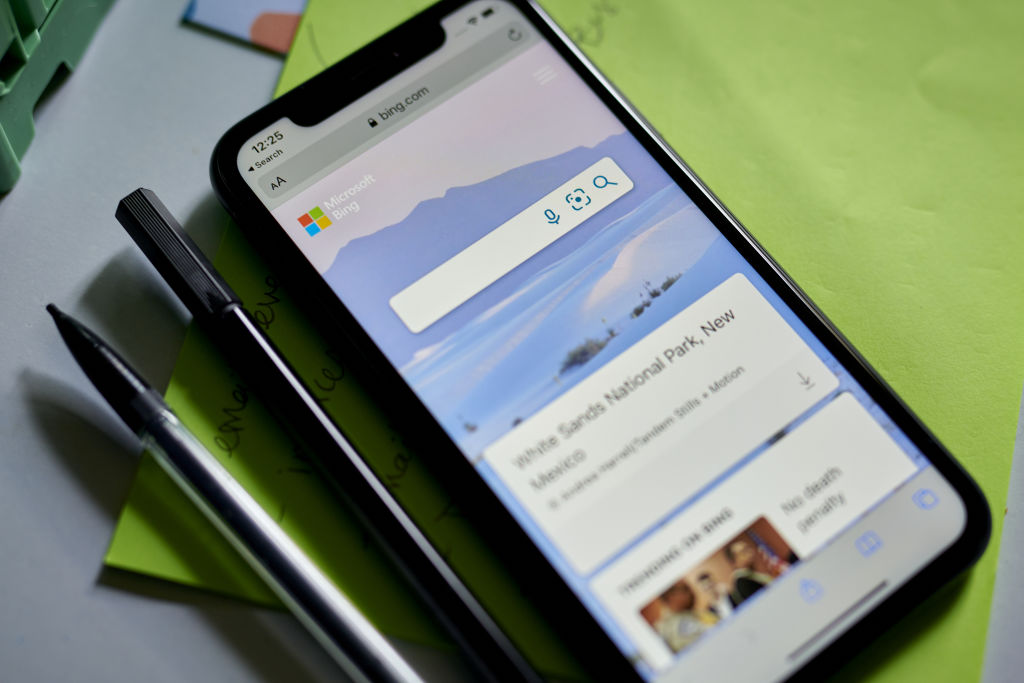
This week’s news about Microsoft’s plan to add ChatGPT-like capabilities to its search engine Bing has sent its companion mobile app into the App Store’s Top Charts as of Wednesday. On the U.S. App Store, the Bing app has surged to the No. 12 spot among all free iPhone apps, while Microsoft’s Edge browser is now the No. 3 Utility app. Globally, the Bing app has seen a 10x increase in new downloads, according to preliminary estimates from app intelligence firm data.ai.
https://techcrunch.com/2023/02/08/bings-previously-unpopular-app-sees-a-10x-jump-in-downloads-after-microsofts-ai-news/

Image source, Getty ImagesGoogle is launching an Artificial Intelligence (AI) powered chatbot called Bard to rival ChatGPT. Bard will be used by a group of testers before being rolled out to the public in the…
https://www.bbc.com/news/technology-64546299

“Nothing, Forever,” the infinitely-generating AI version of Seinfeld that tens of thousands of people were watching has been banned for 14 days from Twitch after Larry Feinberg—a clone of Jerry Seinfeld—made transphobic statements during a standup bit late Sunday night. “Hey everybody. Here’s the latest: we received a 14-day suspension due to what Larry Feinberg said tonight during a club bit,” Xander, one of the creators of Nothing Forever, said on Discord. “We’ve appealed the ban, and we’ll let you know as we know more on what Twitch decides. Regardless of the outcome of the appeal, we’ll be back and will spend the time working to ensure to the best of our abilities that nothing like that happens again.”
https://www.vice.com/en/article/y3pymx/ai-generated-seinfeld-show-nothing-forever-banned-on-twitch-after-transphobic-standup-bit