In a blog announcing the change, Microsoft executive vice president Yusuf Mehdi said it was a "transformative" moment and compared it to the addition of the Windows key nearly 30 years ago. He added that it would "simplify" and "amplify" user experience.
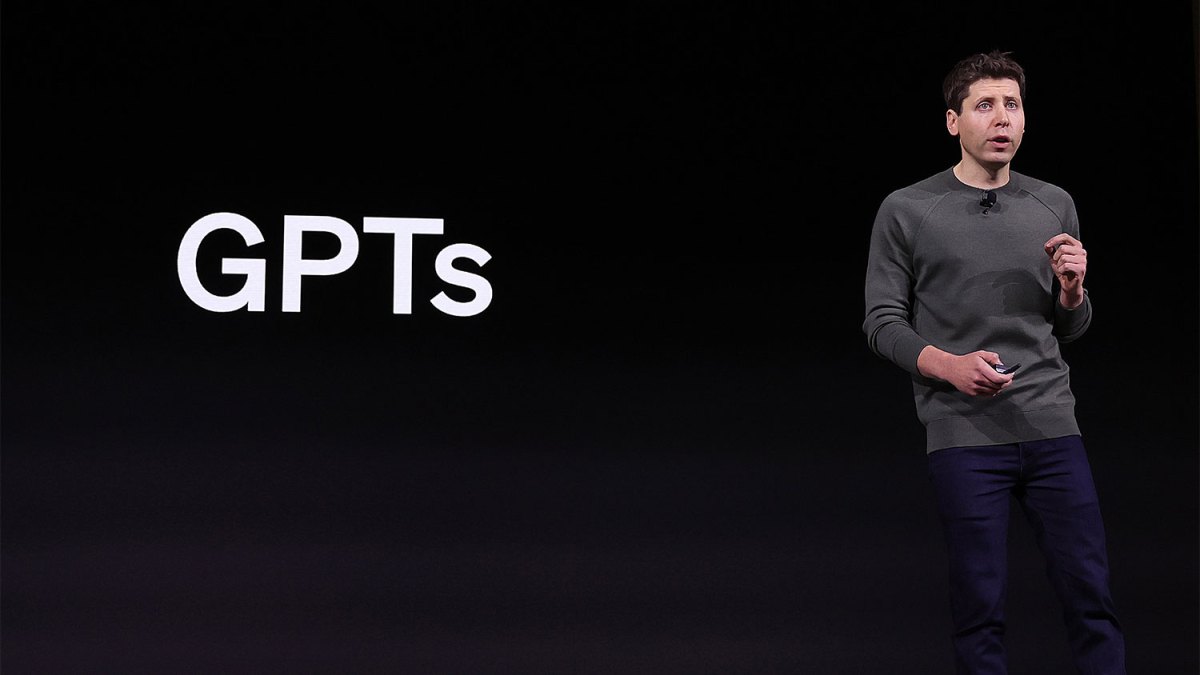
OpenAI plans to launch a store for GPTs, custom apps based on its text-generating AI models (e.g. GPT-4), sometime in the coming week. GPTs don’t require coding experience and can be as simple or complex as a developer wishes. For example, a GPT can be trained on a cookbook collection so that it can answer questions about ingredients for a specific recipe. Or a GPT could ingest a company’s proprietary codebases so that developers can check their style or generate code in line with best practices.
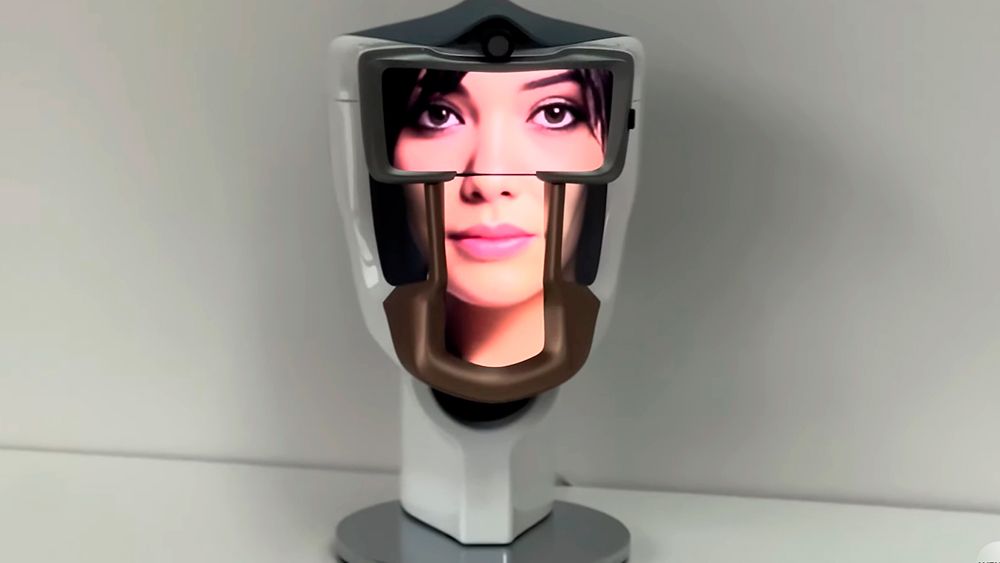
Despite sounding like a parody, Wehead, from a company of the same name, appears to be a serious product. It was previously billed as a 'spatial video' device to allow '3D video calls'. With that having failed to grab the world's imagination, the device has now been repurposed as a face for AI in the form of a 'ChatGPT edition'.
A group of news organizations, camera makers, and technology companies have joined together to create a web tool called Verify for checking the authenticity of images for free. If the image has a digital signature, the site will display the date, location, and other credentials for the image. The authentication technology is now adopted by Nikon, Sony, and Canon.
Apple is now scheduling two-day classes to start sometime in January 2024. The pricey headset will reportedly only be available in stores so buyers can be guided through the setup process, which includes getting a custom fit on the device. The first-gen Vision Pro is being targeted at developers and enterprise customers, though anyone can purchase one. Those who spend that $3,499 will be able to tap into the "spatial video capture" that rolled out today via iOS 17.2 for iPhone 15 Pro and Pro Max, which have cameras powerful enough to record videos in three dimensions.
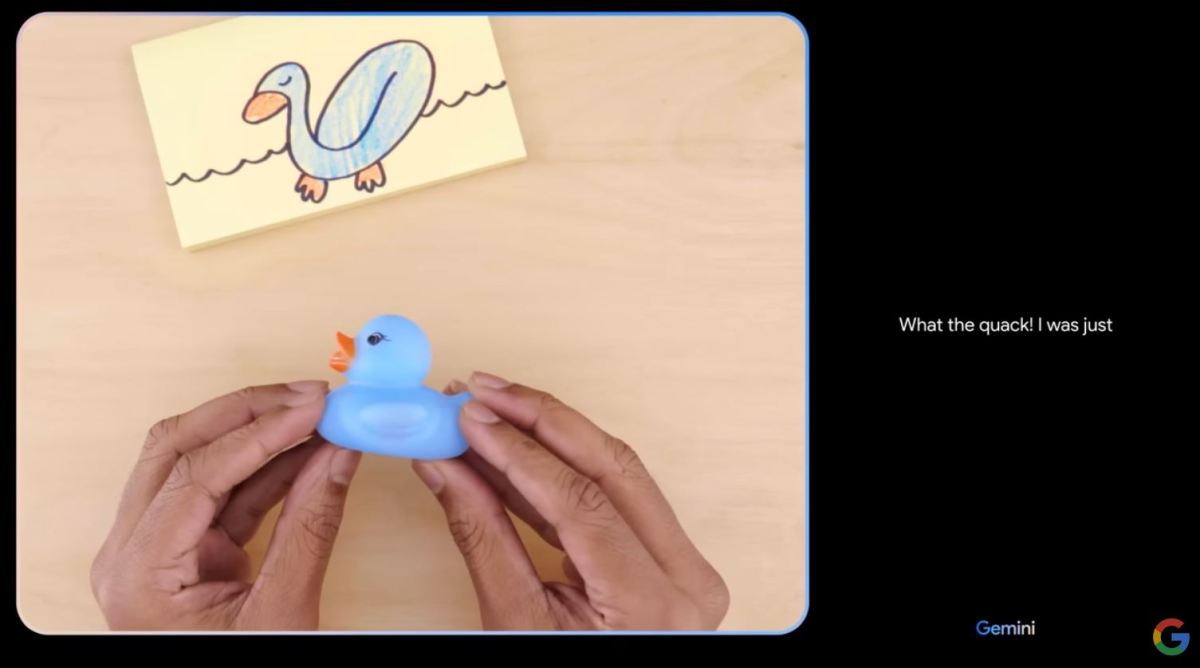
Google’s new Gemini AI model is getting a mixed reception after its big debut yesterday, but users may have less confidence in the company’s tech or integrity after finding out that the most impressive demo of Gemini was pretty much faked. “We created the demo by capturing footage in order to test Gemini’s capabilities on a wide range of challenges. Then we prompted Gemini using still image frames from the footage, and prompting via text.” (Parmy Olsen at Bloomberg was the first to report the discrepancy.)
If you're on Facebook or Instagram, it's quite possible a picture of you (or that you took) helped train Emu. In a way, the old saying, "If you're not paying for it, you are the product" has taken on a whole new meaning.